Two clips of Dr Daniel Kachamba playing a guitar have been circulating on social media all week. Recorded in Göttingen, Germany in 1972 with ethnomusicologist Gerhard Kubik, the footage reminds us what Malawi’s music industry risks forgetting: the world has little reason to listen if all we offer is somebody else’s sound.
Kachamba, who died in 1987, drew from South African kwela jive, the lively urban music popularised by penny whistles and guitars. But he did not become a Malawian impersonator of South African musicians. He absorbed the influence, blended it with Malawian rhythms and sensibilities, and developed a style unmistakably his own.
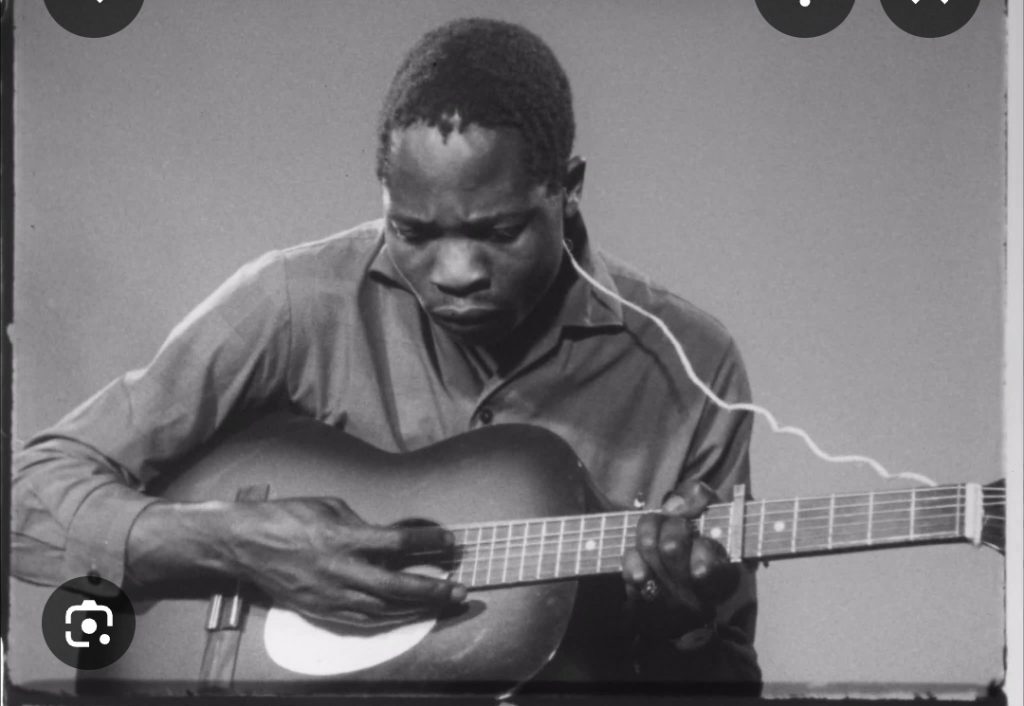
Decades after his death, Kachamba reminds us that originality can be the route to international recognition.
Which raises an uncomfortable question: What can be identified as Malawi music today?
Listen to some contemporary artists and identifying their country of origin can become an exercise in linguistic detective work. The beat sounds South African, the arrangement borrows from Nigeria, and the performance could come from almost anywhere. Then the vocalist switches to Chichewa, and we breathe a sigh of relief. Ah, Malawi!
But language alone does not establish musical identity. Otherwise, replacing a few lyrics with Chichewa would turn an imported sound into a Malawian cultural product.
There is nothing wrong with musicians borrowing, adapting or experimenting with international trends. Music has always crossed borders, and pretending Malawian music must exist in a sealed cultural container would be naïve. Kachamba proved that influences can become ingredients for something original.
The problem is not influence. It is imitation without reinvention.
Our understanding of international success also needs interrogation. Too often, an alleged international breakthrough is a Malawian artist performing at a small bar or club in Britain, America or South Africa, largely before fellow Malawians living there.
Diaspora audiences sustain careers, create connections and provide entry points into foreign markets. But let us not confuse a foreign postcode with an international music career.
A packed room of Malawians in Birmingham is worth celebrating. It is not, by itself, evidence that an artist has penetrated the British market. If the audience already knows the songs and shares the artist’s background, we have exported a performance to our own community. The next challenge is reaching people who have never heard of Malawi and giving them a reason to care about its music.
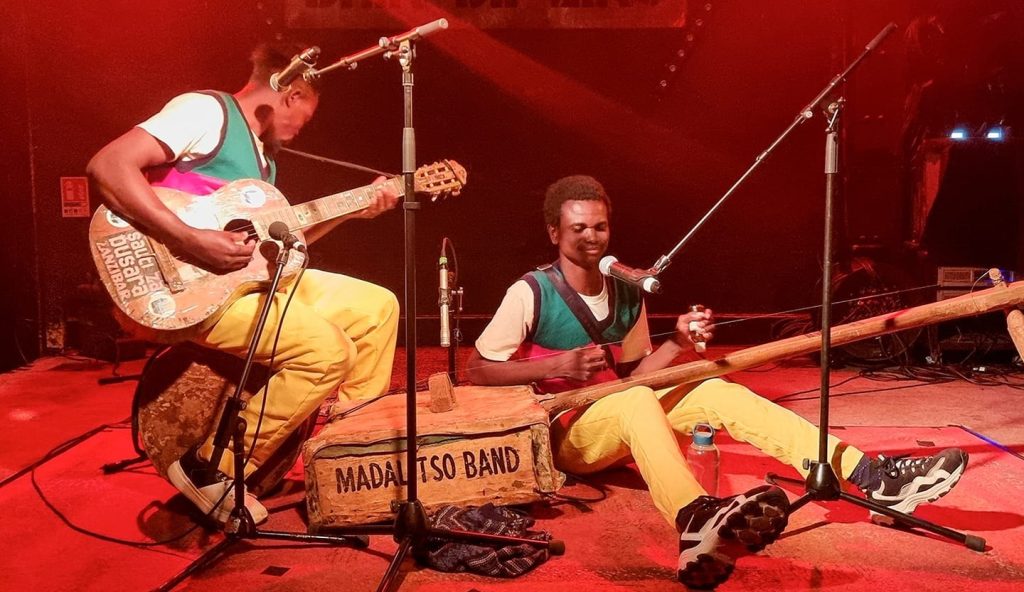
Madalitso Band has built an international following through festivals and venues beyond Malawi, carrying an unmistakable sound.
The Malawi Mouse Boys have carried their distinctive gospel sound to international listeners. Meanwhile, the Zomba Prison Project’s album I Have No Everything Here received a Grammy nomination in 2016. These examples matter not because Grammy nominations should become our national obsession, but because they show that music rooted in Malawian experiences can find audiences without asking permission to sound Nigerian, South African or American.
The lesson is not that every musician must pick up a traditional instrument, wear locally made clothes and sing about village life. Authenticity is not a costume and tradition is not a museum where musicians must perform for foreign tourists.
Artists must discover what makes their work distinctive, then develop it with the technical quality and professionalism required to compete beyond home.
This is where our institutions should come in. I am told the University of Malawi in Zomba teaches music. What, exactly, are they teaching? It is a fair question, not a dismissal of music education. Universities should be where music is experimented with, studied, dissected and challenged: where students examine Malawian traditions, understand global influences, explore composition and production, and test new sounds without fear of failure.
Talent alone will not build an export industry. Producers must invest in arrangements and recording quality. Managers must build careers, not merely chase invitations. Booking agents, labels and promoters must identify markets and cultivate audiences. Cosoma must help artists protect and monetise their work, while the Department of Arts and other public institutions should support international showcases and professional development with measurable results.
Most importantly, Malawi must stop treating an overseas performance as the finished product. Exporting music means building a repertoire people can discover, recordings they can access, rights holders who can earn and touring networks that bring audiences back. One European festival appearance is an opportunity. A sustainable international career is a business.
Dr. Kachamba did not leave a formula for export success. He left something more useful: proof that an artist can borrow from the world without surrendering his musical identity.
Malawi does not need another Daniel Kachamba. It needs musicians brave enough to sound like themselves, and an industry capable of taking that originality to the world.